
PPF Removal: What Vehicle Owners Should Know Before Taking Film Off
Every vehicle owner in Albany, NY, who has invested in paint protection film may eventually reach a point when the film needs to be removed. Whether it has reached the end of its expected lifespan or the vehicle is being prepared for a new PPF installation, removal requires careful attention.
Removing film incorrectly can place unnecessary stress on the paint underneath. Understanding the process, potential complications, and recommended next steps helps vehicle owners make informed decisions before the work begins. At The Works Auto Center, we help Albany vehicle owners understand what to look for, what may complicate removal, and how professional service can help preserve the finish underneath. The vehicle may then be prepared for new film, ceramic coating, paint correction, or ongoing paint care without an additional protective layer.
Signs It May Be Time for PPF Removal
Knowing when to schedule PPF removal begins with recognizing common signs of wear. Film that has started to yellow, become cloudy, or show noticeable discoloration may have aged beyond its intended service life. These changes do not always mean that the film has stopped providing protection, but they can indicate that a professional inspection is appropriate.
Lifting edges, bubbling, cracking, or sections that have started peeling away from the surface are additional reasons to consider removal. Once the film begins separating from the paint, moisture and debris may collect around the lifted areas, affecting the film’s appearance and adhesion.
Vehicle owners in Albany, NY, who have had film installed for several years may also be approaching the natural end of the product’s expected performance period. The actual lifespan can vary depending on the film, installation quality, vehicle use, sun exposure, maintenance, and storage conditions.
PPF removal is also commonly scheduled when a vehicle is being prepared for a new paint protection film installation, ceramic coating, or paint correction. In these situations, removing the existing film cleanly is an important first step before the surface can be inspected and prepared for another protective treatment.
Recognizing signs of wear early gives vehicle owners greater control over the process and may help reduce complications associated with removing severely aged or damaged film.
How Old or Damaged Film Can Complicate Removal
Paint protection film changes gradually as it is exposed to heat, sunlight, weather, washing, and everyday driving conditions. As the adhesive ages, it may deteriorate, harden, or leave residue on the paint, making clean removal more difficult.
Repeated heat cycles and prolonged UV exposure can also affect the condition of the film. Older film may become brittle, tear into smaller pieces, or separate unevenly as it is removed. In some cases, adhesive residue may remain on the clear coat and require additional cleaning before the surface is ready for inspection or another protective product.
Film that has already begun cracking, peeling, or lifting can require more time and care than film that remains flexible and intact. Waiting too long to address visibly failing film may increase the possibility of uneven removal, adhesive residue, and additional preparation work.
The condition of the paint underneath also affects the process. Factory paint that is in good condition generally responds differently from repainted panels, a poorly bonded clear coat, or areas with previous repairs. A professional inspection helps identify these concerns before removal begins.
Why Professional PPF Removal Helps Reduce Risk
Removing paint protection film without the right tools, products, or experience can expose a vehicle’s finish to unnecessary risk. Professional removal addresses several factors that influence how safely and cleanly the film comes off.
Controlled Heat Application
Applying a controlled amount of heat helps soften the film and adhesive, allowing the material to release more evenly. Too little heat may make the film difficult to remove, while excessive or concentrated heat can place unnecessary stress on the film and painted surface.
Professional technicians understand how to adjust the temperature, distance, and pace based on the condition of the film and the panel being treated.
Experience With Different Film Types and Conditions
Not every paint protection film behaves the same way during removal. Newer film may release differently from film that has remained on a vehicle for many years. Film condition, adhesive type, thickness, installation method, and environmental exposure can all affect the process.
Technicians who regularly work with PPF can evaluate how the material is responding and adjust their technique when necessary.
Suitable Tools and Adhesive Removers
Tools intended for film removal help reduce the risk of scraping, abrasion, or unwanted surface marks. Professional adhesive removers can also help address remaining residue without relying on overly aggressive products or methods.
The correct products must be selected carefully because strong chemicals or improper tools may affect the finish.
Inspection of the Paint During Removal
As the film is removed, a professional can inspect the painted surface for residue, defects, previous repairs, or imperfections that were hidden beneath the film. This allows potential concerns to be identified early instead of being overlooked.
It is especially important to proceed carefully around repainted areas, panel edges, body lines, and sections where the paint condition may be uncertain.
Why Professional PPF Removal Helps Reduce Risk
Removing paint protection film without the right tools, products, or experience can expose a vehicle’s finish to unnecessary risk. Professional removal addresses several factors that influence how safely and cleanly the film comes off.
Controlled Heat Application
Applying a controlled amount of heat helps soften the film and adhesive, allowing the material to release more evenly. Too little heat may make the film difficult to remove, while excessive or concentrated heat can place unnecessary stress on the film and painted surface.
Professional technicians understand how to adjust the temperature, distance, and pace based on the condition of the film and the panel being treated.
Experience With Different Film Types and Conditions
Not every paint protection film behaves the same way during removal. Newer film may release differently from film that has remained on a vehicle for many years. Film condition, adhesive type, thickness, installation method, and environmental exposure can all affect the process.
Technicians who regularly work with PPF can evaluate how the material is responding and adjust their technique when necessary.
Suitable Tools and Adhesive Removers
Tools intended for film removal help reduce the risk of scraping, abrasion, or unwanted surface marks. Professional adhesive removers can also help address remaining residue without relying on overly aggressive products or methods.
The correct products must be selected carefully because strong chemicals or improper tools may affect the finish.
Inspection of the Paint During Removal
As the film is removed, a professional can inspect the painted surface for residue, defects, previous repairs, or imperfections that were hidden beneath the film. This allows potential concerns to be identified early instead of being overlooked.
It is especially important to proceed carefully around repainted areas, panel edges, body lines, and sections where the paint condition may be uncertain.
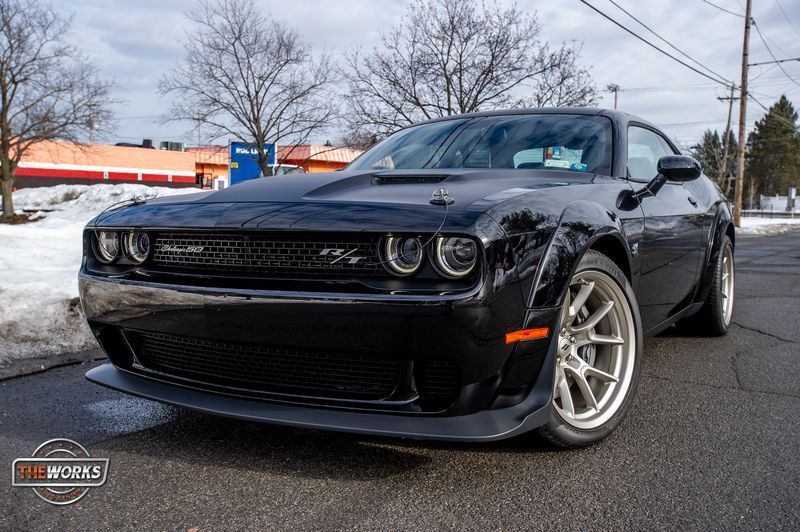
What Happens During Professional PPF Removal
A professional PPF removal process usually begins with an inspection of the film and the surrounding paint. The technician evaluates the age, condition, adhesion, and visible signs of damage before selecting an appropriate removal method.
The vehicle may also be checked for repainted panels, lifting clear coat, damaged edges, or previous body repairs. These details can affect how the film should be handled.
Controlled heat is then applied gradually to help loosen the adhesive bond. Once the material becomes easier to work with, the film is peeled away slowly and at a controlled angle.
Removing it section by section provides greater control and reduces unnecessary stress on the painted surface.
If the film tears or separates unevenly, the technician can adjust the amount of heat and modify the removal technique. Older or brittle material may require additional time because it may not lift away in one continuous piece.
After the film has been removed, any remaining adhesive residue is treated with suitable products and cleaning methods. The surface is then inspected to evaluate the paint condition and identify imperfections that may have been present before removal.
A final inspection allows the technician to check for remaining residue and determine whether additional surface preparation is recommended. Depending on the condition of the finish, the next step may involve paint correction, polishing, new PPF, ceramic coating, or routine paint care.
The Works Auto Center follows this careful, controlled approach when completing paint protection film removal for vehicle owners in Albany, NY.
Protecting the Vehicle Finish After Film Removal
Once PPF removal is complete, the appropriate next step depends on the condition of the paint and the vehicle owner’s protection goals.
If minor imperfections, uneven gloss, or paint defects are visible after removal, paint correction may be considered before another protective product is applied. This process can help improve the finish and prepare the surface for new film or coating.
Vehicle owners who want continued protection against road debris, chips, and physical surface damage may choose to install new paint protection film. New film can be applied to high-impact areas or larger sections of the vehicle, depending on the desired coverage.
A ceramic coating may also be considered to improve gloss, simplify washing, and provide resistance against environmental contaminants. However, ceramic coating does not provide the same level of physical protection against road debris and impact damage as PPF.
Some owners may choose to leave the paint uncovered after removal. In this case, regular washing, suitable detailing products, and routine inspections can help maintain the finish.
The vehicle should be cleaned and cared for according to the technician’s recommendations after removal. If another service is planned, the paint may require additional preparation before new protection can be installed.
Schedule PPF Removal With The Works Auto Center
PPF removal requires careful planning, controlled techniques, and an understanding of how different films and paint surfaces respond during the process. Recognizing signs of aging, addressing failing film before it becomes severely damaged, and choosing professional removal can help reduce unnecessary risk to the vehicle’s finish.
If you are in Albany, NY, and considering PPF removal, contact The Works Auto Center to
schedule an inspection. Our team can evaluate the condition of the existing film, explain the removal process, and help you determine the most suitable next step for protecting your vehicle’s paint.