
How Ceramic Coating Handles Daily Environmental Driving Exposure
Daily driving exposes vehicles to sunlight, moisture, road contaminants, and changing weather conditions that continually affect exterior surfaces. These factors occur simultaneously during commuting, parking, and routine travel on city streets and highways. Seasonal changes further increase the variety of conditions vehicles encounter throughout the year.
Understanding how a professionally applied protective coating responds to these everyday challenges helps vehicle owners better evaluate long-term paint protection and exterior preservation. At The Works Auto Center, real-world operating conditions are considered when assessing how coated vehicle surfaces interact with sunlight, water, contaminants, and temperature fluctuations during routine use.
How Ceramic Coating Handles Sunlight and UV Exposure
Sunlight is one of the most consistent environmental factors affecting vehicles throughout the year. Whether a vehicle is parked outdoors or driven daily, exterior surfaces remain exposed to ultraviolet radiation and heat for extended periods.
Continuous UV Exposure During Daily Driving
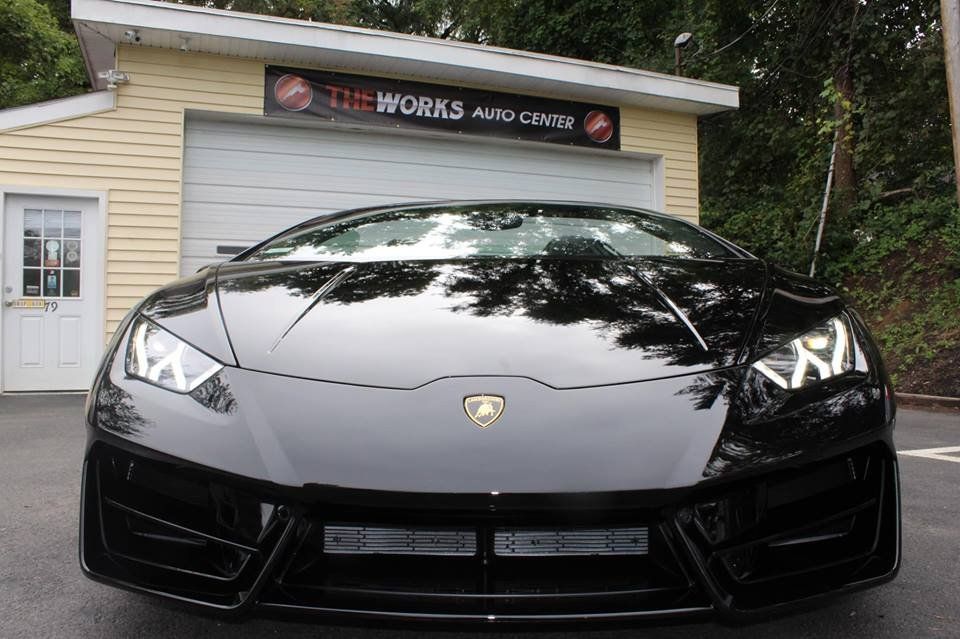
Daily commuting, parking, and recreational travel expose vehicle surfaces to varying levels of ultraviolet radiation. Morning, midday, and afternoon sunlight each create different levels of exposure. Over time, repeated contact with ultraviolet rays becomes a constant environmental factor for any vehicle. A professionally applied ceramic coating installation forms an additional protective layer over the clear coat, helping reduce the direct impact of prolonged UV exposure on exterior surfaces. This added barrier helps maintain a more consistent appearance despite continual interaction with sunlight. Vehicles parked outdoors for extended periods experience even greater exposure, and under these conditions, the protective layer created through ceramic coating installation continues serving as a barrier between environmental elements and the painted surface.
Managing Heat-Related Surface Stress
Temperature changes are closely connected to sunlight exposure. During warmer months, exterior panels absorb significant heat when parked in direct sunlight. During colder seasons, surfaces frequently move between varying temperatures as weather conditions change.
The coating system helps maintain a stable protective layer across the vehicle surface during repeated heating and cooling cycles. While temperature changes remain unavoidable, this additional layer supports long-term surface protection as vehicles encounter changing environmental conditions throughout the year.
How Ceramic Coating Handles Moisture and Water Exposure
Moisture is another common environmental factor affecting vehicles. Rainfall, humidity, dew, and wet road conditions create ongoing contact between water and exterior surfaces.
Rain, Humidity, and Surface Protection
Rainfall and humidity are common environmental conditions that affect exterior vehicle surfaces throughout the year. Moisture may accumulate during storms, overnight parking, or periods of high atmospheric humidity.
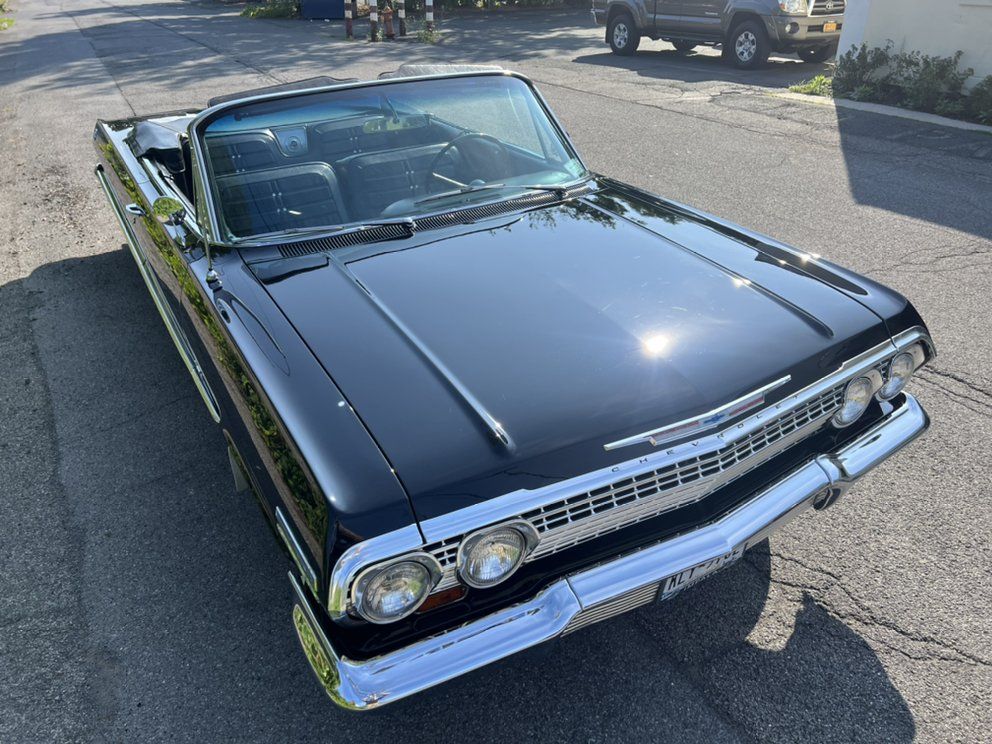
The protective coating creates a surface that responds differently to water exposure than untreated paint. Rather than allowing moisture to remain in prolonged contact with the exterior, hydrophobic properties encourage water to bead and move more efficiently across the surface.
This characteristic becomes particularly valuable during periods of frequent rainfall and changing weather conditions, helping support paint preservation and exterior maintenance.
Water Behavior During Everyday Travel
Water exposure extends beyond rainfall alone. Wet roads, road spray, puddles, and residual moisture contribute to constant interaction between vehicle surfaces and water.
During highway travel, airflow and vehicle speed increase the amount of water that comes into contact with exterior panels. Following professional installation, the treated surface supports more efficient water movement and encourages moisture to disperse more easily rather than remaining on the paint for extended periods.
This hydrophobic behavior helps the vehicle finish respond more effectively to everyday water exposure encountered during routine driving conditions.
How Ceramic Coating Responds to Road Contaminants
Vehicles encounter a variety of contaminants every day. Dust, debris, road residue, and airborne particles continuously settle on exterior surfaces during both driving and parking.
Dust, Debris, and Airborne Particles
Urban streets, suburban roads, and highways all contribute to ongoing exposure to dust and airborne contaminants. Construction activity, traffic movement, and natural environmental conditions further increase the presence of these particles.
The coating layer limits direct interaction between contaminants and the painted surface. While contaminants still come into contact with the vehicle, the coating serves as the outermost barrier that receives that exposure first.
This added layer supports paint preservation and helps maintain the overall condition of the vehicle's finish during routine operation. It also helps reduce direct contact between environmental contaminants and the factory paint, contributing to long-term exterior protection.
Road Grime and Seasonal Residue
Road grime accumulates throughout the year from traffic activity and changing seasonal conditions. During winter, road salt and treatment materials increase the amount of residue that vehicles encounter. During warmer months, oil deposits, tire residue, and roadway contaminants contribute to surface buildup.
The professionally applied coating helps separate these environmental contaminants from the factory finish by creating an additional protective layer over the paint. This allows exterior surfaces to better withstand routine contact with environmental residue encountered during everyday travel.
Because every vehicle encounters different environmental conditions, professional evaluation can help determine the most suitable paint protection strategy for long-term exterior preservation.
Daily Driving Conditions in Urban and Highway Environments
Different driving environments expose vehicles to varying levels of environmental interaction.
Stop-and-Go Urban Conditions
City driving often involves traffic congestion, idling, and slower travel speeds. These conditions increase exposure time to surrounding contaminants, airborne particles, and environmental debris generated by nearby traffic.
During frequent stop-and-go driving, exterior surfaces may remain exposed to airborne pollutants, dust, and traffic-related contaminants for longer periods. The protective coating continues serving as a barrier between these environmental factors and the vehicle's paint surface.
Highway Travel and Continuous Exposure
Highway driving introduces higher speeds, greater airflow, and increased contact with airborne debris. Vehicles covering long distances experience prolonged exposure to sunlight, moisture, and road particles.
During extended highway travel, the treated finish supports long-term exterior protection by maintaining a consistent barrier against environmental exposure encountered over greater driving distances.
Seasonal Environmental Changes Throughout the Year
Seasonal variation introduces additional environmental challenges that affect vehicle surfaces throughout the year.
How Ceramic Coating Performs During Seasonal Temperature Changes
Winter conditions bring freezing temperatures, while summer often introduces extended heat exposure. Spring and fall create transitional periods where temperatures may change rapidly throughout the day.
The protective barrier remains in place during these seasonal fluctuations, providing consistent support as vehicles encounter varying environmental conditions throughout the year.
Moisture-Related Seasonal Conditions
Different seasons introduce changing levels of rainfall, snow, humidity, and road moisture. Winter often includes snow and road treatment materials, while spring and summer typically bring increased rainfall and humidity.
The coating system helps support surface protection throughout these changing conditions by maintaining a barrier between environmental elements and the vehicle's exterior finish.
Conclusion
Daily vehicle use constantly exposes exterior surfaces to sunlight, moisture, airborne contaminants, road residue, and seasonal weather changes, all of which continuously affect automotive paint during commuting, parking, and everyday driving. A professionally applied ceramic coating helps reduce this impact by adding a durable protective layer against UV exposure, water contact, environmental pollutants, and temperature fluctuations. At The Works Auto Center, ceramic coating solutions are applied with real-world driving conditions in mind to support long-term paint preservation and maintain a cleaner, well-protected vehicle appearance. Professional installation provides a consistent protective barrier that enhances durability and helps extend the life of your vehicle’s exterior finish.
Contact
The Works Auto Center to learn more about ceramic coating options and choose the right protection for your vehicle in all driving and weather conditions.