
Why Paint Protection Film Helps Maintain Surface Consistency
Vehicle surfaces are constantly exposed to changing road and environmental conditions throughout Albany, NY. Daily commuting, highway travel, seasonal weather shifts, and airborne contaminants all contribute to continuous interaction with a vehicle’s exterior. Over time, these factors can create visible differences in appearance across different panels.
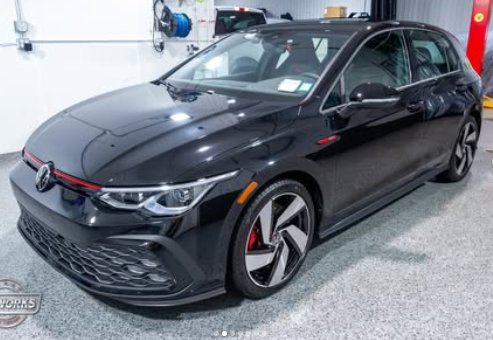
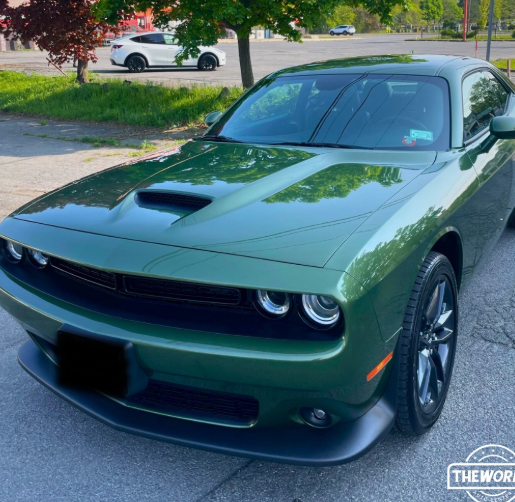
Understanding why paint protection film helps maintain exterior uniformity is important for reducing the effects of everyday exposure. By limiting direct contact with environmental elements, a paint protection solution supports a more balanced and consistent exterior appearance during regular vehicle use. At The Works Auto Center, professional paint protection film installation is available to help support long-term exterior protection.
Road Exposure and Exterior Wear
Road conditions significantly influence how vehicle surfaces age over time. Every trip exposes exterior panels to particles and debris carried through the air and traffic movement.
Continuous Exposure During Daily Driving
Vehicles in Albany, NY, regularly encounter dust, dirt, sand, and fine road particles. These materials are lifted by passing traffic and continuous vehicle movement, leading to repeated contact with exterior surfaces.
Even short daily commutes contribute to this exposure. As vehicles move through city streets and highways, different panels receive varying levels of impact, which can gradually lead to an uneven appearance.
High-Traffic Road Conditions in Albany, NY
Busy roads, construction zones, and seasonal maintenance work increase the amount of airborne debris in the environment. These conditions change throughout the year, creating different exposure patterns depending on traffic flow and weather.
As a result, vehicle surfaces experience ongoing environmental interaction that may gradually affect overall consistency.
Road Debris and Surface Impact
Road debris is one of the most common factors affecting exterior condition. Airborne particles constantly interact with vehicle surfaces during normal driving.
Airborne Particle Contact
While driving in Albany, NY, vehicles are exposed to gravel dust, road residue, and other airborne contaminants. These particles frequently strike exterior panels during everyday use.
Repeated exposure over time can contribute to differences in surface appearance across high-contact areas.
High-Exposure Vehicle Zones
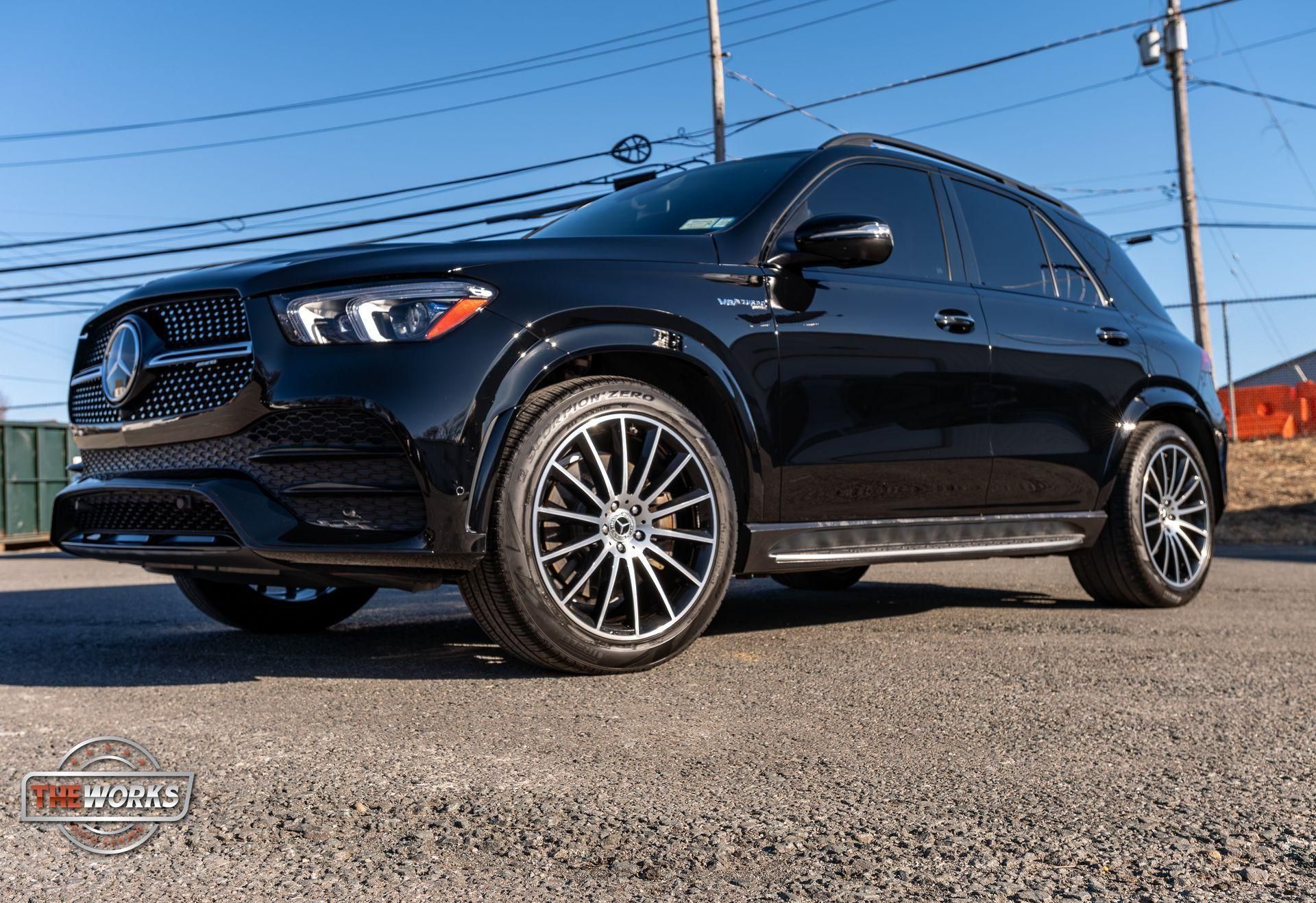
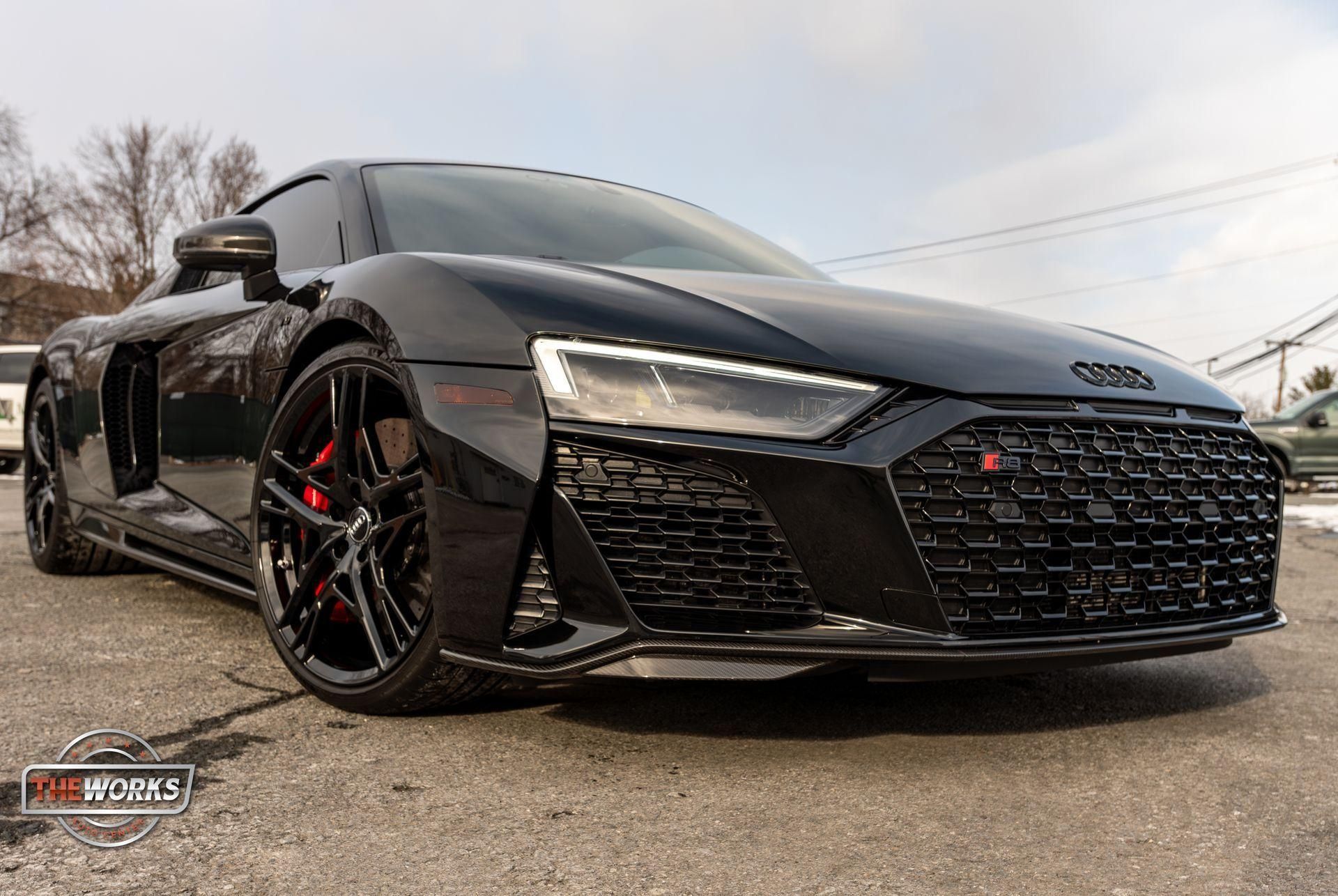
Front bumpers, hoods, mirrors, and fenders are typically the first areas to receive direct impact from road debris.
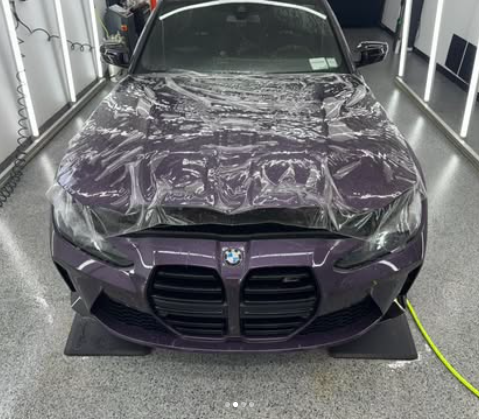
Paint protection film installation helps reduce direct exposure in these vulnerable zones, supporting a more uniform exterior finish.
Environmental Factors Affecting Exterior Condition
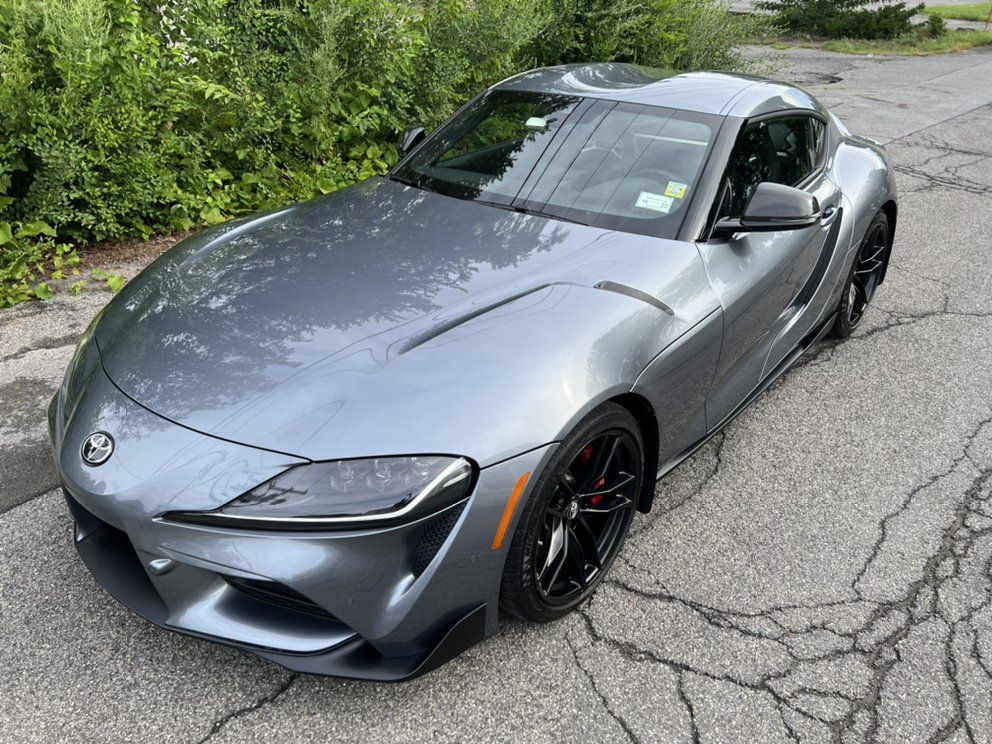
Beyond road debris, environmental conditions also influence how vehicle surfaces age.
Seasonal Weather Changes in Albany, NY
Albany experiences a wide range of weather conditions throughout the year, including snow, rain, ice, and temperature fluctuations.
Winter introduces road salt and moisture exposure, while warmer months bring dust and airborne particles. These shifting conditions continuously affect exterior surfaces.
Outdoor Contaminants and Daily Exposure
Vehicles parked outdoors are regularly exposed to dust, pollen, insects, and airborne debris. These contaminants settle unevenly depending on the environment and timing.
Reducing direct exposure helps maintain a more consistent and even exterior appearance over time.
Maintaining Consistency Across Frequently Exposed Vehicle Areas
Different sections of a vehicle experience different levels of environmental contact. Understanding these exposure patterns helps explain why maintaining consistency can be challenging over time.
Uneven Exposure Across Different Surface Sections
Front-facing surfaces typically receive the greatest amount of road and environmental exposure. Areas positioned toward the rear of the vehicle may encounter less direct contact during daily driving.
Because exposure is not evenly distributed, certain panels often experience more interaction with debris, moisture, and airborne contaminants. These differences contribute to varying levels of surface impact across the vehicle.
Reducing Differences Between Protected and Less Exposed Areas
Maintaining a consistent appearance often involves reducing the effects of uneven exposure. When direct interaction with environmental elements is minimized in high-contact areas, the contrast between frequently exposed and less exposed sections may be reduced.
Paint protection film supports this objective by helping limit contact across vulnerable surfaces. This contributes to a more consistent appearance throughout the vehicle during everyday use in Albany, NY.
Highway Driving and Increased Surface Contact
Highway conditions create stronger environmental interaction compared to city driving.
Higher Speed Exposure
Increased speed allows more airborne particles to contact exterior surfaces. Dust, debris, and moisture move more aggressively across panels during highway travel.
This makes highway driving a key factor in long-term surface exposure.
Long-Distance Driving Effects
Vehicles that travel frequently on highways accumulate exposure over time. Each trip increases interaction with environmental elements, which can gradually affect exterior uniformity.
Paint protection film helps reduce this impact by acting as a barrier during continuous driving conditions.
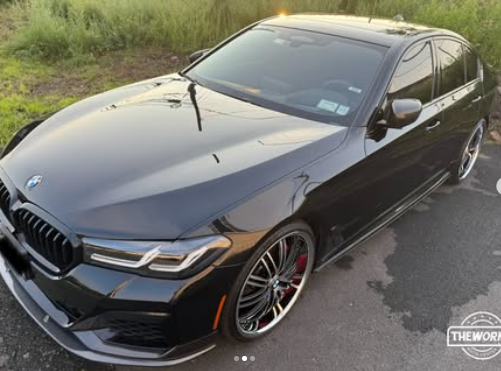

Maintaining Exterior Consistency
Vehicle surfaces are not exposed evenly, which naturally leads to differences in wear across panels.
Uneven Exposure Across Panels
Front-facing areas typically receive more direct contact with debris and environmental elements, while rear sections experience less exposure.
This imbalance is a key reason surface variation develops over time.
Reducing Visible Differences
Minimizing direct exposure in high-impact areas helps reduce variation between panels. Paint protection film supports this by protecting frequently exposed surfaces.
This helps maintain a more consistent exterior appearance during everyday driving in Albany, NY.
Conclusion
Road conditions, seasonal weather, and environmental contaminants in Albany, NY, continuously affect vehicle surfaces during daily use. These factors can gradually create uneven wear across different panels due to varying levels of exposure. Vehicles routinely encounter sunlight, moisture, road spray, airborne debris, and changing temperatures throughout the year. Over time, these conditions contribute to the accumulation of contaminants and repeated environmental stress, making consistent exterior protection an important consideration for long-term surface preservation.
Understanding why paint protection film helps maintain surface consistency highlights the importance of reducing direct impact on high-exposure areas. By limiting contact with debris and environmental elements, paint protection film supports a cleaner, more uniform exterior over time. To learn more about paint protection film installation,
contact The Works Auto Center for professional vehicle protection solutions.